 Skip to content
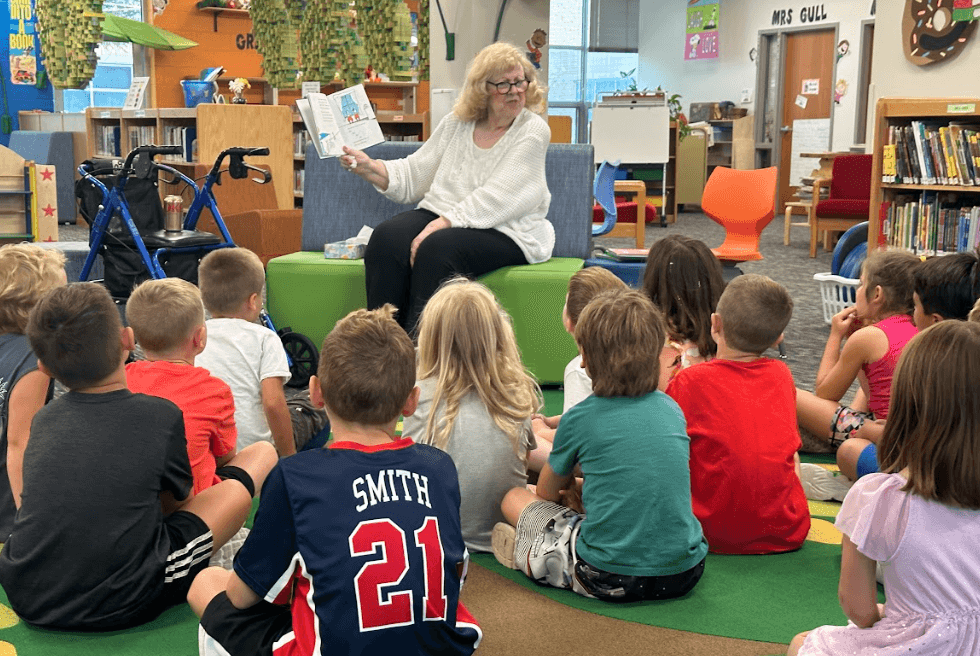
A couple of our residents at Azura of Brookfield had the opportunity to volunteer with the Pewaukee School District, reading books to a group of young children. The smiles on both sides — from residents lighting up as kids leaned in to hear the next page, and from children giggling at the funny voices — said everything words cannot. It was a small moment, but it prompted a bigger question: why are intergenerational relationships important, and what does the research actually tell us about their impact?
The answer, as it turns out, is both profound and well-documented. Intergenerational relationships — meaningful connections between people of different generations, whether within families or between strangers — deliver measurable benefits for cognitive health, emotional well-being, social connectedness, and even physical vitality. In a society increasingly segmented by age, intentionally building these bonds may be one of the most powerful tools we have for combating loneliness, preserving cognitive function, and creating communities where every generation thrives.
What Are Intergenerational Relationships?
An intergenerational relationship is any meaningful connection between individuals from different generations. This can include the bond between grandparents and grandchildren, relationships between older adults and younger volunteers or students, or structured programs that bring together seniors and children in shared activities such as reading, gardening, art, or music.
While family-based intergenerational interactions — grandparents caring for grandchildren, adult children supporting aging parents — are the most familiar form, research increasingly shows that non-familial intergenerational connections are equally valuable. Community-based programs that pair older adults with young people who are not their relatives produce many of the same cognitive, social, and emotional benefits, making the importance of intergenerational relationships relevant far beyond the family unit.
The Loneliness Crisis: Why Intergenerational Connection Matters Now
Before exploring the specific benefits, it is worth understanding the urgency behind this topic. Research consistently shows that a significant portion of adults — particularly older adults living alone or with limited social networks — experience measurable loneliness. And loneliness is not merely an emotional discomfort. It is associated with heightened risk of cardiovascular disease, stroke, dementia, depression, and premature death.
For older adults, social isolation accelerates cognitive decline and increases vulnerability to conditions like Alzheimer’s disease. For younger people, loneliness contributes to anxiety, depression, and difficulty developing healthy social skills. As the UF College of Medicine notes, loneliness has become a genuine public health concern — and intergenerational relationships offer a direct, evidence-based antidote to isolation on both ends of the age spectrum, creating opportunities for connection that benefit everyone involved.
5 Key Benefits of Intergenerational Relationships
Research from universities, public health organizations, and aging institutes around the world has identified a consistent set of benefits that flow from meaningful intergenerational interactions. Below, we explore five of the most significant.
1. Emotional Support and Reduced Loneliness
One of the most immediate and tangible benefits of intergenerational relationships is the emotional support they provide. As older adults lose friends and family members to illness and aging, they often face extended periods of loneliness and grief. Interacting with younger generations — whether grandchildren, student volunteers, or children in a community reading program — provides a renewed sense of comfort, purpose, and human connection.
These connections benefit younger people as well. By sharing their experiences and life lessons, older adults can serve as mentors and sources of stability for children and young adults navigating the uncertainties of growing up. Both generations benefit from this exchange: young people gain valuable insights and perspective, while older adults experience a renewed sense of purpose through offering guidance and being of service.
A systematic review published in Ageing Research Reviews, examining 44 studies on intergenerational engagement, found reliable benefits for reducing anxiety and improving generativity — the sense that one is contributing meaningfully to future generations — among older adult participants.
2. Cognitive Health and Mental Stimulation
For older adults, the cognitive benefits of intergenerational interaction are particularly compelling. Engaging with children — playing games, reading stories, answering curious questions, learning new technology, or collaborating on creative projects — keeps the mind active and challenged in ways that routine daily life often does not.
From a neuroscience perspective, this makes sense. Social interaction activates brain networks involved in language processing, emotional regulation, problem-solving, and memory retrieval. For older adults at risk of cognitive decline, regular intergenerational interactions function as a form of natural cognitive exercise — stimulating the brain through novelty, conversation, and emotional engagement in ways that watching television or following a solitary routine simply cannot replicate.
A 2025 study published in the Journal of Applied Gerontology found that experts consistently identified intergenerational interactions as beneficial for diminishing loneliness, fostering societal engagement, preventing cognitive decline, and instilling a sense of value in older adults. The researchers also noted that both socio-cultural supports (like volunteer programs) and physical environments (like walkable, mixed-use neighborhoods) play important roles in facilitating these interactions (Zhong et al., Journal of Applied Gerontology).
3. Practical Knowledge Exchange Across Generations
Intergenerational relationships create a two-way street of practical knowledge. Older adults possess decades of life experience, historical perspective, and practical wisdom that younger generations benefit from absorbing. Stories about navigating adversity, building careers, maintaining relationships, and adapting to change provide young people with a richer understanding of life than any textbook can offer.
At the same time, younger generations bring their own expertise — particularly with technology. Children and teens can help older adults feel more comfortable using smartphones, video calling platforms, social media, and online communities, ensuring they stay connected in an increasingly digital world. The UF College of Medicine highlights this reciprocal knowledge exchange as one of the defining features of successful intergenerational programs.
This exchange is not just practical — it is deeply humanizing. When a child teaches a grandparent how to send a text message, or when an older adult shares the story of how they met their spouse, both parties walk away with something valuable: the feeling of being seen, respected, and useful.
4. Fostering Empathy, Compassion, and Reduced Ageism
When children spend time with older adults, they develop a firsthand understanding of a different phase of life. They witness the challenges that come with aging — reduced mobility, memory changes, the loss of independence — and in doing so, they cultivate empathy and compassion that shape how they treat others for the rest of their lives.
Research on intergenerational exchange programs has found that one of the most consistent shared outcomes for both generations is improved cross-age attitudes and reduced stereotyping. Programs that bring younger and older participants together in structured activities produce measurable reductions in ageism among younger participants and improved attitudes toward youth among older adults. These shifts in attitude are not trivial — they contribute to a more inclusive, respectful society where people of all ages feel valued.
For children, intergenerational interactions also teach patience, active listening, and the ability to communicate with people whose experiences and communication styles differ from their own. These are foundational social skills that serve them well throughout their lives.
5. Stronger Communities and Preserved Cultural Heritage
Intergenerational relationships do not only benefit individuals — they strengthen entire communities. When older adults and younger generations share time and space, they bridge the social divide that often separates age groups into isolated silos. This bridging creates a sense of unity, shared values, and mutual responsibility that benefits neighborhoods, schools, faith communities, and care settings alike.
Older adults are often the keepers of family history, cultural traditions, and community memory. Spending time with them allows children to learn about their roots, understand their cultural heritage, and develop a sense of identity and belonging that enriches their understanding of where they come from and who they are. Without these intergenerational connections, valuable stories, traditions, and cultural knowledge risk being lost as generations pass.
Community-based intergenerational programs — such as telephone visit initiatives, digital buddy systems, live-in student arrangements in elder care facilities, and shared activity programs — create structured opportunities for these connections to form, even between people who are not related. These programs promote inclusivity and demonstrate that shared experiences and mutual understanding can transcend age differences.
The Science Behind Intergenerational Interactions and Health
The benefits described above are not merely anecdotal — they are supported by a growing body of peer-reviewed research. The systematic review by Krzeczkowska and colleagues evaluated 44 studies on intergenerational engagement and found significant positive effects across cognitive, social, and health-related outcomes. Specifically, 15 of 24 studies found significant improvements in social outcomes, and 21 of 31 found significant improvements in health-related outcomes among older adult participants (Krzeczkowska et al., Ageing Research Reviews).
These findings are consistent with a broader trend in aging research: that multi-domain activities combining social interaction, cognitive engagement, and physical movement — exactly the kind of stimulation that intergenerational programs provide — offer the most robust protection against age-related decline. For families and communities looking for evidence-based ways to support healthy aging, intergenerational engagement stands out as one of the most accessible and effective approaches available.
Intergenerational Relationships and Dementia Care
The importance of intergenerational relationships takes on special significance in the context of dementia care. Social isolation is one of the most consistently identified risk factors for cognitive decline and Alzheimer’s disease. For individuals already living with dementia, meaningful social interaction — including interactions with children and young people — can help maintain communication skills, elevate mood, reduce agitation, and provide moments of genuine joy and connection.
In memory care settings, intergenerational programs have been shown to benefit residents in powerful ways. Reading with children, participating in art projects, sharing music, or simply sitting together and talking can activate emotional memories and social instincts that remain intact even as other cognitive abilities decline. For the children involved, these experiences build compassion, reduce fear of aging and illness, and teach that a person’s value is not diminished by a diagnosis.
How Azura Memory Care Fosters Intergenerational Connection
At Azura Memory Care, we believe that intergenerational interactions are not a luxury — they are a vital component of holistic, person-centered care. Our communities actively create opportunities for residents to engage with younger generations through partnerships with local schools, volunteer programs, and family-centered events.
The volunteer reading session at Azura of Brookfield with the Pewaukee School District is just one example. When our residents sat down with those children, something remarkable happened on both sides. Our residents were energized, engaged, and visibly proud to be sharing their love of reading. The children, in turn, experienced the warmth and patience that comes from spending time with someone who has a lifetime of stories to share. It was a reminder that the bond between the young and the old is not a relic of the past — it is a living, breathing source of joy, purpose, and mutual growth.
Through our MOSAIC philosophy, we are committed to creating environments where every resident feels valued, connected, and engaged with the broader community. Intergenerational programming is a key part of that mission, and we are continually exploring new ways to bring generations together in meaningful, enriching ways.
How to Build Intergenerational Relationships in Your Own Life
You do not need a formal program to start building intergenerational connections. Here are practical ways to foster these relationships in your family and community.
For families, make time for regular visits between grandchildren and grandparents — even virtual visits through video calls count. Encourage children to interview older relatives about their life stories, creating a living family history. Involve grandparents in school projects, holiday traditions, and everyday routines so that the intergenerational relationship becomes a natural part of life rather than a special occasion.
For communities, explore volunteer opportunities at local senior centers, memory care communities, or assisted living facilities. Many organizations welcome young people who want to read, play games, help with technology, or simply spend time with older adults. Schools can partner with nearby senior communities for joint art projects, pen pal programs, or shared gardening initiatives. Faith communities and civic organizations can create structured intergenerational events that bring different age groups together around shared interests.
The key is consistency. One-time visits are nice, but the deepest benefits of intergenerational interactions come from sustained, repeated engagement that allows genuine relationships to develop over time.
A Timeless Bond Worth Nurturing
In a world that often prioritizes speed, independence, and digital connection, the quiet power of an intergenerational relationship can be easy to overlook. But the research is clear, and the human experience confirms it: when children and older adults spend meaningful time together, both are transformed for the better. Loneliness recedes. Cognitive engagement increases. Empathy deepens. Communities grow stronger. And the wisdom, love, and laughter shared across generations become a living bridge between the past and the future.
At Azura Memory Care, we see this every day — in the sparkle in a resident’s eye when a child reaches for their hand, in the pride of a grandmother reading a story one more time, in the quiet understanding that passes between two people separated by decades but united by a shared moment. These are the connections that make life meaningful at every age, and we are honored to help nurture them.
Let us all commit to building more intergenerational relationships — in our families, in our communities, and in the care settings where our loved ones live. The benefits are too important, and the moments too precious, to let slip away.